Truthful Sustainability Claims for Lab-Grown Diamond Retailers
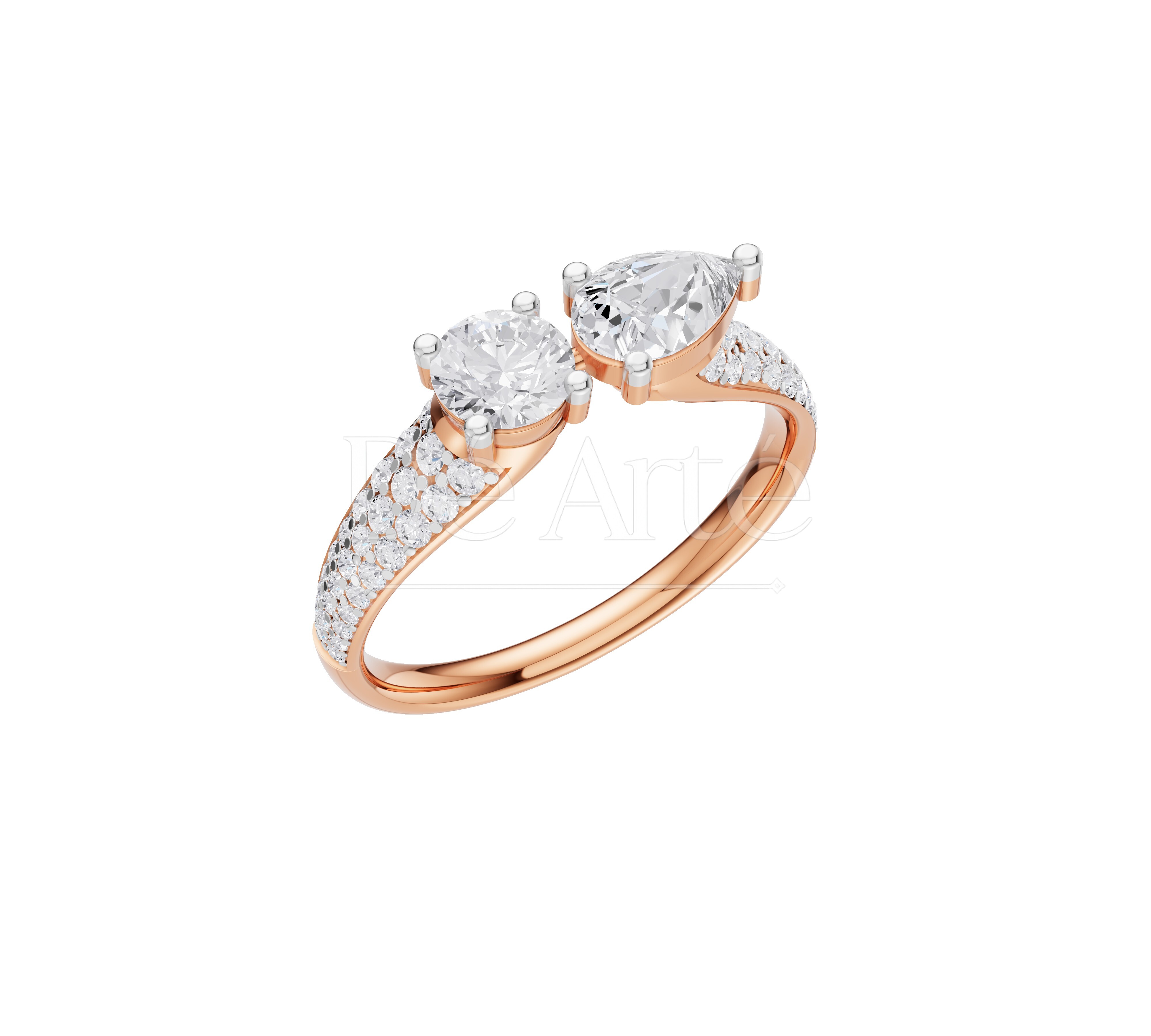
Learn which sustainability messages about lab-grown diamonds are reliable and which should be omitted, helping retailers communicate responsibly.
Core Environmental Benefits of Lab-Grown Diamonds
Lab-grown diamonds are produced using processes that require significantly less land disturbance than conventional mining, which helps preserve natural habitats. The controlled environment also reduces the need for heavy earth-moving equipment, limiting soil erosion and water disruption. These factors make lab-grown diamonds a more environmentally considerate choice for many consumers.
When renewable energy is part of the manufacturing mix, the overall carbon impact of lab-grown diamonds can be lower than that of mined stones. Retailers may note that the energy profile depends on the specific facility and its power sources, allowing a balanced discussion of environmental performance. This nuance respects the complexity of carbon accounting while highlighting a positive aspect.
Because the diamonds originate from a single, traceable production site, the supply chain is clearer and more transparent. Retailers can confidently explain that this traceability reduces the risk of unintended ecological or social harm associated with distant mining operations. Emphasising these points supports shoppers who value responsible sourcing without overstating unverified data.
- Reduced land disturbance compared with mining
- Potential lower carbon impact with renewable energy
- Single-source traceability enhances supply-chain clarity
Ethical Sourcing and Conflict-Free Assurance
Lab-grown diamonds are created in laboratory settings, eliminating the link to conflict zones that can affect some mined diamonds. Retailers can state that these stones are free from the geopolitical concerns that sometimes arise with traditional mining, providing a clear ethical advantage.
The use of a consistent house diamond quality—VVS-VS clarity and EF colour—ensures that every piece meets high visual standards. This uniformity allows retailers to communicate that the diamonds are of reliable quality, supporting ethical purchasing decisions without implying variable grading across the range.
Gold components are offered in 9K, 14K and 18K across yellow, rose and white finishes. By specifying the exact karat and colour options, retailers give shoppers transparent information about the precious metal content, reinforcing honest marketing practices.
- Conflict-free by virtue of laboratory production
- Uniform VVS-VS EF quality across the collection
- Clear gold karat and colour options
Claims to Avoid for Accurate Messaging
Retailers should not assert that lab-grown diamonds are completely carbon-free unless the manufacturer has publicly disclosed a verified lifecycle analysis confirming zero emissions. Such an absolute statement can mislead customers about the actual energy use involved in production.
It is advisable to avoid language that suggests lab-grown diamonds guarantee future financial returns. While they possess intrinsic value, positioning them as a financial asset can create unrealistic expectations and detract from the product’s aesthetic and ethical attributes.
Statements implying that every lab-grown diamond is produced with renewable energy should be omitted unless the specific producer has confirmed this practice. Generalising about energy sources without supporting evidence can undermine credibility and trust.
- No absolute carbon-free claims without verification
- No promises of financial return or investment value
- No blanket renewable-energy assertions without confirmation
Using Product Details to Support Claims
When describing a piece, reference the product name and its factual attributes. For example, the Yellow Gold Lab-Grown Diamond Ladies' Ring (style ALR00753) features a 1.3 carat VVS-VS EF diamond set in 18K gold weighing 3 g, illustrating both quality and material composition clearly.
Similarly, the Rose Gold Lab-Grown Diamond Ladies' Ring (style ALR000229) contains a 0.63 carat VVS-VS EF diamond with 18K gold weighing 2.1 g. Providing these precise specifications helps customers understand the value proposition without exaggeration.
The White Gold Lab-Grown Diamond Ladies' Ring (style ALR0032) offers a 1.1 carat VVS-VS EF diamond set in 18K gold weighing 2.22 g. Highlighting such concrete details aligns marketing with the actual product, reinforcing trustworthy communication.
- ALR00753: 1.3 ct diamond, 3 g 18K gold
- ALR000229: 0.63 ct diamond, 2.1 g 18K gold
- ALR0032: 1.1 ct diamond, 2.22 g 18K gold
Integrating Sustainability into Brand Narrative
Retailers can weave sustainability into their broader story by emphasizing responsible sourcing and consistent quality. Mentioning that every piece uses VVS-VS EF diamonds conveys a commitment to visual excellence without overstating environmental impact.
Showcasing the range of gold options—yellow, rose and white—in various karats demonstrates versatility and allows customers to align material choice with personal values. This approach connects product selection with ethical considerations in a subtle, factual manner.
By focusing on verified benefits such as reduced land use and traceable supply chains, retailers build credibility. Consistent, honest communication fosters long-term relationships with customers who appreciate both style and responsibility.
- Highlight VVS-VS EF consistency
- Display gold colour and karat variety
- Build trust through factual sustainability points
Practical Guidance for Retail Staff
Equip sales teams with concise product data sheets that list carat weight, clarity, colour and gold specifications for each style. This enables staff to answer queries confidently and accurately, reinforcing the retailer’s reputation for honesty.
Encourage staff to steer conversations toward verified sustainability aspects, such as lower land disturbance and single-source traceability, while avoiding unsubstantiated carbon-neutral statements. This balanced approach supports informed customer decisions.
Provide quick reference cards summarising key factual points for each product. Easy access to accurate information helps maintain consistent messaging across all customer touchpoints, ensuring that sustainability claims remain truthful and clear.
- Use detailed product data sheets
- Focus on verified sustainability facts
- Provide staff reference cards
Questions retailers ask
- Can I say lab-grown diamonds are carbon-neutral?
- Only if the specific manufacturer has published a verified carbon-neutral analysis. Otherwise, describe the lower impact without claiming zero emissions.
- Is it accurate to market lab-grown diamonds as conflict-free?
- Yes, because they are produced in a laboratory environment and are not linked to conflict zones, making the claim reliable.
- Should I mention lab-grown diamonds as an investment?
- No. While they have intrinsic value, positioning them as an investment or guaranteeing future returns is misleading and should be avoided.
- What sustainability benefits can I highlight confidently?
- You can mention reduced land disturbance, a traceable single-source supply chain and the consistent high quality of VVS-VS EF diamonds, all supported by factual production details.
Pieces from this story
Open a trade account · Talk to the trade desk
Prepared by the DeArte editorial desk with AI assistance.