Stackable Diamond Rings: Mixing Bands, Textures and Metals
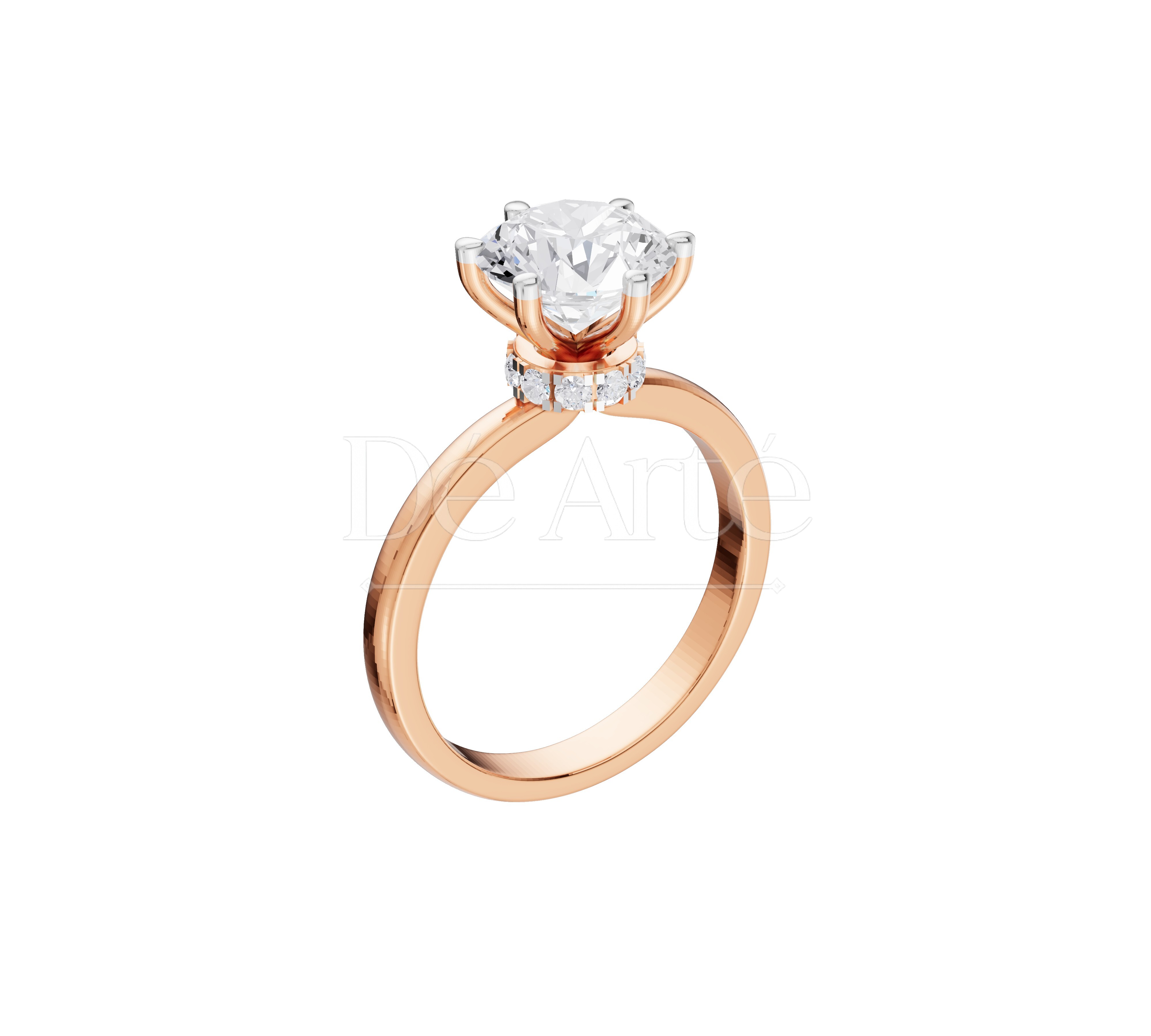
Discover how to combine gold tones, band finishes and lab-grown diamonds into compelling stackable rings that encourage shoppers to buy more.
Understanding the Appeal of Stackable Rings
Stackable rings have become a staple for shoppers seeking personalised jewellery that can evolve over time. The flexibility to add or remove bands allows customers to express mood, occasion or style without committing to a single piece. Retailers benefit from the repeat-purchase potential, as each new band can be sold separately yet work together as a cohesive set.
The visual impact of a well-curated stack lies in contrast and harmony. Mixing yellow, rose and white gold creates subtle colour shifts that catch the eye, while varying textures—polished, brushed or hammered—add depth. When a lab-grown diamond of VVS-VS clarity and EF colour is set in each band, the sparkle remains consistent across the stack, reinforcing a premium feel.
For store owners, presenting stacks as a story rather than isolated items encourages larger baskets. Displaying a base band beside a complementary accent piece demonstrates how the pieces interact, prompting customers to imagine additional layers. This approach aligns with the growing desire for versatile, mix-and-match jewellery that can be refreshed seasonally.
Choosing the Right Metals and Karats
DeArte offers yellow, rose and white gold in 9K, 14K and 18K, giving retailers a broad palette for stack creation. Selecting a base band in a classic yellow gold 14K provides warmth, while an accent in rose gold 18K adds a romantic touch. The differing karat weights also influence weight and durability, allowing you to tailor stacks for comfort and longevity.
When pairing metals, consider the visual balance. A thicker yellow gold band can be softened by a slimmer white gold accent, creating a play of light that highlights the diamonds. Using the same karat across the stack maintains a uniform sheen, whereas mixing 9K with 18K can produce a subtle contrast that catches attention without overwhelming the design.
The choice of metal also affects pricing strategy. Higher karat gold generally carries a higher perceived value, which can be leveraged in upselling. By offering a range of options within the same collection, you enable customers to start with a modest piece and later add a richer-toned band as their confidence in the stack grows.
Incorporating Lab-Grown Diamond Bands
Lab-grown diamonds with VVS-VS clarity and EF colour provide the same brilliance as natural stones, ensuring each band contributes to the overall sparkle. Selecting rings such as style ALR00753 with a 1.3 carat diamond or ALR00088 with a 1.59 carat stone adds noticeable brilliance without excessive weight, making them comfortable for daily wear.
Mixing diamond sizes across the stack creates visual rhythm. A slimmer band set with a 1 carat diamond can serve as a subtle anchor, while a wider band featuring a 2.15 carat stone becomes the focal point. This graduated approach guides the eye and encourages customers to purchase multiple pieces to achieve a balanced look.
Because the diamonds share the same house quality, colour and clarity remain consistent throughout the stack. This uniformity reassures buyers that the pieces belong together, reducing hesitation and supporting the narrative of a curated collection rather than disparate accessories.
Displaying Stacks Effectively in Store
A dedicated stacking display allows shoppers to see how bands interact. Arrange base rings on a low tray, then layer accent bands beside them, showing both separate and combined views. Use subtle lighting to accentuate the fire of the lab-grown diamonds and the sheen of the different gold tones.
Include tactile elements such as soft pads or velvet ribbons so customers can feel the texture differences between polished and brushed finishes. When shoppers experience the contrast physically, they are more likely to envision wearing the pieces together, which can increase the average transaction value.
Label each band with its metal, karat and diamond weight, but keep the language descriptive rather than technical. Phrases like “soft rose gold accent with a 1.59 carat sparkle” guide the buyer’s imagination while reinforcing the premium positioning of the stack.
Pricing Strategies for Stackable Collections
Bundle pricing can encourage the purchase of multiple bands. Offer a modest discount when a customer buys a base ring together with one or two accent bands, highlighting the savings compared to buying each piece individually. This approach aligns with the natural desire to complete a set once the visual appeal is understood.
Highlight the value of higher-karat gold and larger diamonds within the stack. For example, a rose gold 18K band with a 2.15 carat diamond can be positioned as a premium upgrade, while a 9K yellow gold band with a 1 carat stone serves as an entry point. Clear tiering helps customers self-select based on budget and style preference.
Educate sales staff to suggest complementary bands based on the colour of the customer's existing jewellery. If a shopper already wears yellow gold, recommending a white gold accent with a matching diamond creates a cohesive look and demonstrates the retailer’s expertise, fostering trust and repeat visits.
Maintaining Customer Interest Over Time
Introduce seasonal variations by swapping out accent bands with limited-edition textures or colour-shifted gold finishes. This keeps the core collection fresh and gives returning customers a reason to revisit the store for new pieces that still fit their existing stack.
Leverage private-label programmes to create exclusive stackable designs for loyal retailers. By offering unique styles that cannot be found elsewhere, you reinforce the store’s distinct identity and encourage customers to view the retailer as a source of curated, high-quality jewellery.
Encourage customers to share their personal stack stories on social media, using in-store photography stations. User-generated content showcases real-world styling, provides authentic promotion, and invites others to explore how they might build their own stack, ultimately driving footfall and sales.
Questions retailers ask
- How can I start a stackable ring collection with limited inventory?
- Begin with a versatile base band in a neutral metal such as white gold 14K, then add a few accent bands in contrasting finishes. This small set can be mixed in many ways, allowing customers to create varied looks without a large upfront stock.
- What metal combinations work best for Indian customers?
- Yellow gold paired with rose gold is popular for its warm, festive feel, while adding a white gold accent introduces a modern contrast. Offering all three tones lets shoppers choose the combination that matches their personal style and existing jewellery.
- Do lab-grown diamonds affect the perceived value of a stack?
- Because they have the same clarity, colour and brilliance as natural diamonds, lab-grown stones provide comparable sparkle. When presented alongside high-karat gold, they reinforce a premium perception that supports higher basket values.
- How often should I refresh the stacking display?
- Updating the display seasonally or when new accent bands arrive keeps the presentation lively. Small changes, such as rotating featured textures or introducing a new metal tone, encourage repeat visits and maintain customer interest.
Pieces from this story
Open a trade account · Talk to the trade desk
Prepared by the DeArte editorial desk with AI assistance.