Pricing Lab-Grown Diamond Jewellery for Retail Margins
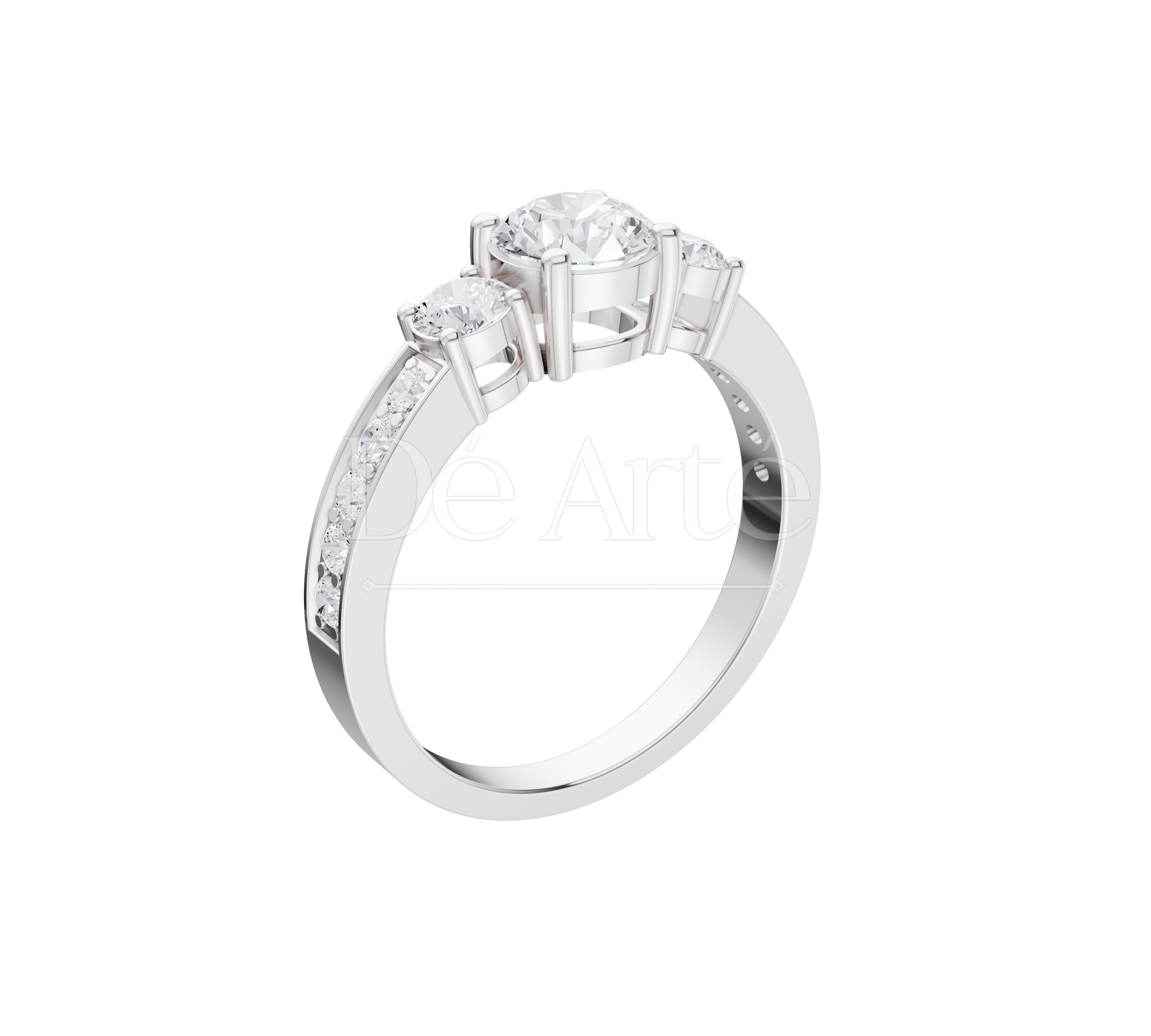
Learn how to structure pricing for lab-grown diamond jewellery, balance cost and perceived value, and maintain healthy retail margins.
Understanding Your Cost Base
The first step in any pricing strategy is to map the complete cost structure of each piece. DeArte Jewels supplies a wholesale catalogue that details the metal type, karat and diamond weight, allowing you to calculate material costs with precision. Remember that the house diamond quality of VVS-VS clarity and EF colour sets a consistent baseline for all items. By isolating the cost of gold, whether 9K, 14K or 18K, you can see how each metal influences the overall expense.
A clear view of material cost helps you separate fixed expenses from variable ones. Labour, design and any custom manufacturing fees are typically bundled into the trade price, so treat them as a single line item. When you know the exact gold weight—such as the 3 g net gold in the 1.3 ct yellow gold ring—you can quickly adjust for fluctuations in gold rates without revisiting the entire calculation. This approach keeps pricing agile and grounded in real inputs.
With the cost base defined, you can apply a markup that reflects both your business needs and market expectations. Retailers often aim for a margin that covers overhead, marketing and a reasonable profit, while still offering a price that feels appropriate to the buyer. Aligning your markup with the perceived value of the lab-grown diamond, rather than a generic percentage, creates a more sustainable pricing model.
Positioning Within Your Store
Positioning determines how a customer perceives a piece before they see the price tag. Grouping similar styles—such as the yellow, rose and white gold ladies' rings—allows you to create visual hierarchies that guide shoppers toward higher-margin items. Use display lighting and signage to highlight the VVS-VS clarity and EF colour, reinforcing the quality that matches mined diamonds.
Consider the role each category plays in your overall assortment. Rings often command higher margins than earrings or pendants because they are perceived as statement pieces. By placing the 1 ct yellow gold ring alongside complementary items like a matching pendant, you encourage bundle purchases that increase the average transaction value without diluting individual pricing.
Your store’s narrative should weave the story of lab-grown diamonds as a responsible choice without overstating benefits. Emphasise the identical chemical and optical properties, and let the design speak for itself. When customers understand the parity with natural diamonds, they are more comfortable accepting a price that reflects the craftsmanship and material quality rather than the origin alone.
Setting Retail Margins
A practical margin framework starts with a target gross margin range that aligns with your operating costs. Once you have the total cost per piece, apply a markup that lands within this range, adjusting for metal choice and diamond weight. For example, a ring with a larger diamond and higher karat gold may support a slightly higher margin due to its premium perception.
Use tiered pricing to reflect variations in metal and stone size. The 1.3 ct yellow gold ring, with its greater gold weight, can be positioned at the top of the tier, while the 0.63 ct rose gold ring fits a mid-tier offering. This structure simplifies decision-making for sales staff and creates clear price points for customers navigating the store.
Monitor the impact of each tier on sales velocity. If a particular style moves quickly, you may tighten the margin to stay competitive, whereas slower-selling items can sustain a broader margin to protect profitability. Regularly reviewing sales data ensures that your pricing remains responsive to both inventory levels and consumer demand.
Communicating Value to Buyers
Clear communication bridges the gap between cost and price. Train your sales team to articulate the house diamond quality, the exact gold content and the design intent behind each piece. When a buyer knows that a 1.1 ct white gold ring contains 2.22 g of 18K gold, the price appears justified beyond a simple label.
Leverage visual aids such as comparison charts that show the material breakdown of each ring style. This transparency builds trust and helps buyers appreciate the nuanced differences that influence price. Highlighting the consistency of VVS-VS clarity across the range reinforces the reliability of the product line.
Avoid generic hype and focus on concrete attributes. Mention the specific metal colour options—yellow, rose or white gold—and the karat choices available. By grounding the conversation in tangible details, you enable buyers to make informed decisions that align with their store’s pricing strategy and customer expectations.
Adapting to Market Changes
The lab-grown diamond market evolves with shifts in consumer sentiment and raw material costs. Keep an eye on gold price trends, as they directly affect your cost base for each karat and colour. When gold rates rise, you can adjust the markup modestly without altering the overall price perception, maintaining margin stability.
Seasonal demand fluctuations also influence pricing flexibility. During peak buying periods, you might introduce limited-time promotions on select styles, such as the 1 ct yellow gold ring, to stimulate traffic while preserving overall margin health. Conversely, slower periods may call for bundled offers that add perceived value without eroding base prices.
Maintain a dialogue with DeArte Jewels for updates on new product releases or changes to existing specifications. Fresh designs or adjusted gold weights provide natural opportunities to revisit pricing structures, keeping your assortment fresh and your margins aligned with current market conditions.
Implementing the Framework in Practice
Begin by auditing your current inventory against the cost data provided in the wholesale catalogue. Map each item to a pricing tier based on metal, karat and diamond weight, then apply the margin range you have defined. This systematic approach ensures consistency across the store and simplifies future adjustments.
Create a pricing worksheet that captures the cost, desired margin and final retail price for each style. Include space for notes on promotional plans or seasonal tweaks. By documenting the rationale behind each price, you empower staff to defend the pricing strategy confidently during buyer interactions.
Finally, schedule regular reviews—quarterly or bi-annually—to assess performance against targets. Use sales data to refine margins, re-balance tiers and introduce new DeArte pieces as they become available. A disciplined, data-driven process turns pricing from a static task into a strategic advantage for your jewellery business.
Questions retailers ask
- How do I calculate the cost of a lab-grown diamond ring without using market prices?
- Start with the wholesale cost of the gold weight and karat, add the price for the specified diamond weight and quality, and include any fixed fees from the catalogue. This gives you a material-based cost foundation for markup decisions.
- Can I use the same margin for all metal colours and karats?
- While a uniform margin is simple, adjusting margins by metal colour and karat reflects perceived value differences. Higher karat gold and larger diamonds typically support a slightly higher margin.
- What is the best way to train staff to explain pricing to customers?
- Provide concise talking points that cover the VVS-VS clarity, EF colour, exact gold content and design intent. Use visual aids that break down material components, helping customers see the justification for the price.
- How often should I review my pricing strategy?
- Regular reviews—ideally every few months—allow you to respond to changes in gold prices, sales performance and new product introductions, keeping margins healthy and competitive.
Pieces from this story
Open a trade account · Talk to the trade desk
Prepared by the DeArte editorial desk with AI assistance.