Lab-Grown vs Natural Diamonds: Practical Differences for Retailers
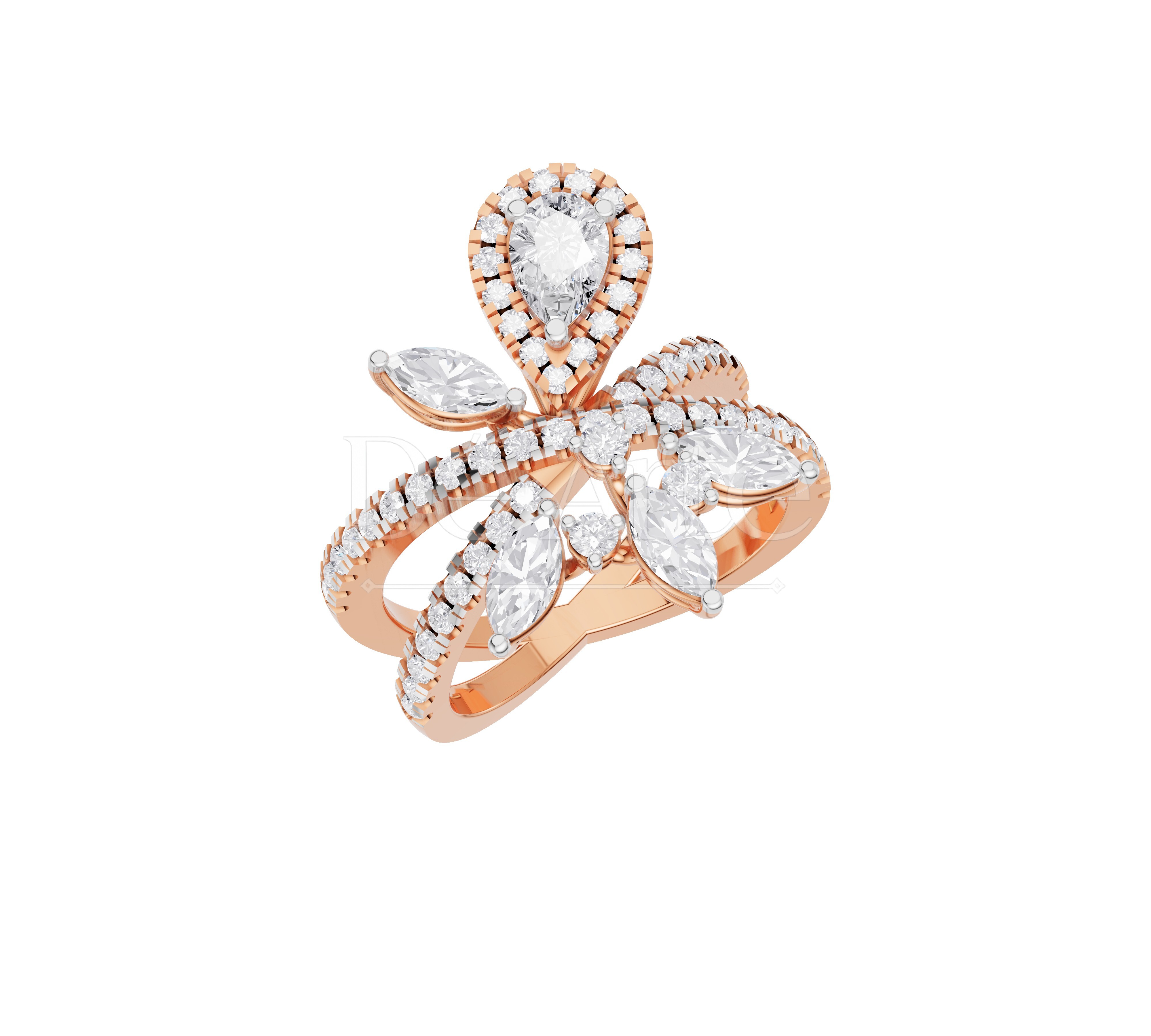
A clear comparison of lab-grown and natural diamonds highlights the material parity and the distinct considerations for retailers and their customers.
Material Identity
Lab-grown diamonds share the same carbon lattice, chemical composition and optical characteristics as natural diamonds, meaning they exhibit identical brilliance and fire when cut to the same standards. This parity is recognised across the industry and reassures buyers that the sparkle they seek is genuine, not a simulant. For retailers, this equivalence simplifies product education, allowing focus on other differentiators rather than core quality concerns.
Both CVD and HPHT processes produce stones that meet VVS-VS clarity and EF colour, the same grade used in DeArte’s house diamonds. The consistency of these specifications supports uniform pricing structures and inventory planning across collections. Retailers can therefore present lab-grown pieces with confidence, knowing the fundamental material meets the expectations set by natural diamonds.
From a wearer’s perspective, the visual experience is indistinguishable; the light performance, hardness and durability remain identical. This means care routines, cleaning methods and setting techniques are the same for both origins, reducing the need for separate maintenance guidelines in store literature.
Origin and Production
Natural diamonds emerge over billions of years under extreme geological conditions, while lab-grown stones are created in controlled environments within weeks. This difference influences supply dynamics: lab-grown diamonds can be produced to match demand without the uncertainties of mining cycles. Retailers benefit from a more predictable stock flow, which can translate into steadier catalogue updates.
The production of lab-grown diamonds involves either chemical vapour deposition or high-pressure high-temperature techniques, both of which are energy-intensive but increasingly efficient. While the environmental narrative varies among consumers, the key point for retailers is the ability to source consistent quality without reliance on fluctuating mine outputs.
For the end-user, the origin story may shape personal values. Some customers appreciate the modern, lab-based creation as a forward-looking choice, while others remain attached to the traditional narrative of natural formation. Understanding these preferences helps retailers tailor conversations without overstating any aspect.
Cost Structure
Because lab-grown diamonds bypass the extensive mining and distribution chain, their price per carat is generally lower than that of comparable natural stones. This cost advantage allows retailers to offer larger carat weights or higher metal purity within similar retail price points, enhancing perceived value for shoppers.
DeArte’s offerings, such as the 1.3 ct yellow gold ladies’ ring (style ALR00753) and the 2.15 ct rose gold ring (style ALR00766), illustrate how the lower diamond cost can be allocated to richer gold content or more intricate designs. Retailers can therefore diversify their range without compromising margins.
It is important for retailers to communicate that the lower price reflects production efficiencies rather than a compromise in quality. Clear messaging around the identical material properties helps maintain consumer confidence while leveraging the competitive pricing advantage.
Design Flexibility
The controlled growth environment of lab-grown diamonds enables consistent stone shapes and sizes, which supports precise design planning. Retailers can rely on a steady supply of specific cuts, facilitating the creation of cohesive collections across rings, earrings and pendants.
DeArte’s catalogue includes a variety of metal options—9K, 14K and 18K in yellow, rose and white gold—paired with the same VVS-VS EF diamonds. This breadth allows retailers to match design trends and regional colour preferences without sacrificing stone quality.
For the wearer, the flexibility translates into more personalised choices. Whether a client prefers a subtle 1 ct setting or a more prominent 2.15 ct piece, the consistent quality ensures satisfaction across the spectrum of design preferences.
Market Perception and Positioning
Retailers often encounter questions about the authenticity of lab-grown diamonds. Emphasising that they are real diamonds, chemically identical to mined stones, addresses concerns and aligns with informed consumer expectations.
In many Indian markets, the emphasis on purity and colour remains paramount. By highlighting the VVS-VS clarity and EF colour grade used in DeArte’s pieces, retailers can reassure buyers that the visual standards they expect are fully met, regardless of origin.
Positioning lab-grown diamonds as a contemporary alternative rather than a lesser product helps avoid the misconception of inferiority. When presented alongside natural options, the narrative can focus on sustainability, cost-effectiveness and design variety, catering to a broader customer base.
Practical Considerations for Retailers
When integrating lab-grown diamonds into an existing inventory, retailers should review pricing tables, warranty policies and after-sales support to ensure consistency with natural-diamond lines. Aligning these elements simplifies staff training and customer communication.
DeArte provides a wholesale trade catalogue and private-label programmes, enabling retailers to curate selections that match their brand identity while maintaining the high-quality standards of VVS-VS EF diamonds. This support streamlines the onboarding of lab-grown pieces into store displays.
Finally, retailers should monitor local consumer trends, especially regarding colour preferences for gold. Offering the full range of 9K, 14K and 18K in yellow, rose and white gold alongside lab-grown diamonds ensures that stores can meet diverse aesthetic demands without compromising on stone quality.
Questions retailers ask
- Are lab-grown diamonds chemically the same as natural diamonds?
- Yes, they have the same carbon structure and exhibit identical hardness, brilliance and fire, meeting the same grading standards.
- Do lab-grown diamonds require different care than natural diamonds?
- No, cleaning, setting and everyday wear guidelines are the same because the physical properties are identical.
- How does the price of a lab-grown diamond compare with a natural one of the same grade?
- Lab-grown diamonds are generally priced lower, allowing retailers to offer larger carat weights or richer metal settings within similar retail price ranges.
- Can retailers source consistent stone sizes and cuts from lab-grown suppliers?
- Yes, the controlled manufacturing process provides reliable availability of specific shapes and carat weights, supporting steady inventory planning.
Pieces from this story
Open a trade account · Talk to the trade desk
Prepared by the DeArte editorial desk with AI assistance.